The results are in! After a spectacular series of live regional showcases, we are thrilled to announce the winners of this year’s competition. Congratulations to the innovators who stood out in their regions:
Asia: Ritwik Agarwal
Europe: Marie-Astrid Dutoit
Americas: Beverly Ge
Relive the Competition While the prizes have been awarded, the inspiration continues. You can still explore the profiles of all our 2026 participants below to learn about their groundbreaking projects. Our three live sessions brought together talent from across the globe forming a truly international community of creators.
Check out the map to the right to see the global footprint of this year’s talented cohort.


“Linking PM2.5 Exposure, Energy, and Household Decisions”
Ritwik Agarwal is a sustainable energy and indoor air quality researcher and product manager with 4+ years of experience. He has worked prior as a product manager in the gaming and ethical AI industries and has experience in user behavioral research and solution designs. He is currently a research fellow at the Indorama Ventures Center for Clean Energy, prototyping exposure-aware operation logic that integrates outdoor PM2.5 signals with occupant behavior. His work has been presented at Healthy Buildings (ISIAQ) and published in ACM BuildSys and IBPSA Building Simulation proceedings, with a focus on scalable, equity-aware IAQ interventions.
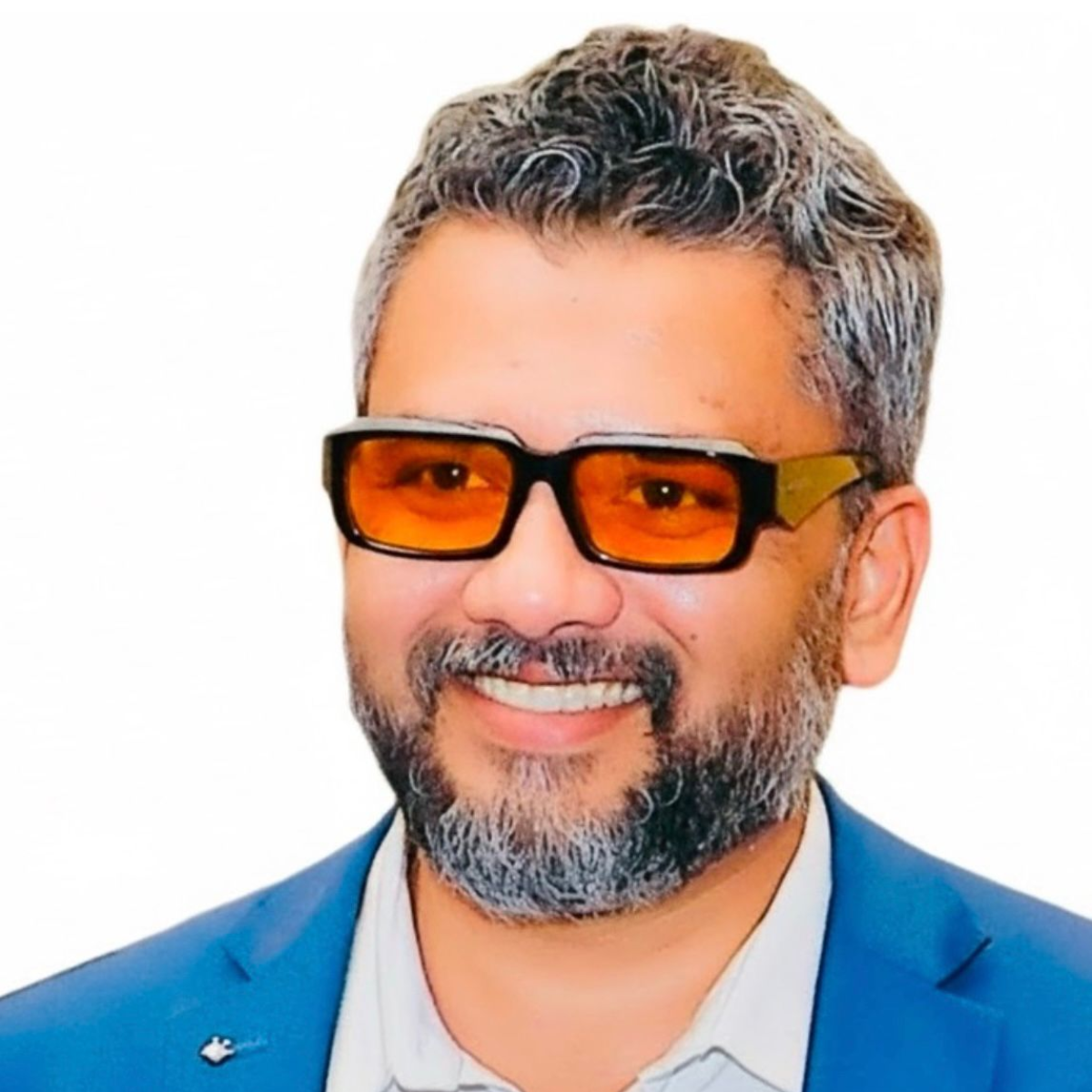
“BW HAWAAMAN - Indoor Microplastic Detection Platform”
P.K. Hashir is a PhD scholar in Mechanical Engineering at Qatar University, specializing in indoor air quality, microplastics transport, and digital health applications. His work combines CFD simulation, sensing technologies, and data-driven risk assessment to better understand and manage airborne microplastics in indoor environments. He is particularly interested in translating academic research into practical solutions for healthier buildings and evidence-based environmental health policy.

“C2C Air: IDEC for Health Based Ventilation”
Sonali Deshmukh is a National Industry PhD candidate at Flinders University and analytical microbiologist at Seeley International, investigating the microbiological performance of indirect evaporative cooling technologies. Her research evaluates how evaporative cooling systems influence indoor air quality and airborne pathogen dynamics in real-world built environments. By integrating environmental monitoring and microbiological analysis, she assesses whether high outdoor air exchange systems can reduce pollutant exposure and the transmission risk of infectious diseases. Her work generates evidence aligned with emerging health-based ventilation standards to support safer indoor environments.

“Indoor air quality sensors as decision tools for schools”
Beverly is a PhD student in Environmental Health at the Boston University School of Public Health. She graduated from Harvard College in 2020 with a degree in Environmental Science and Engineering, where she served as a climate adaptation intern and sustainability peer educator. She then worked for two years as an environmental consultant at Eastern Research Group, Inc. Her dissertation focuses on characterizing extreme heat in early childhood education centers, examining links between extreme temperatures and standardized test performance in school-age children, and evaluating how air quality alerts influence indoor air quality and portable air cleaner use in classrooms.

“Pores & More: The Impact of Surface Physical Properties”
Rachel Greene is a Ph.D. Candidate in Analytical Chemistry at Colorado State University under Dr. Delphine Farmer. Her research focuses on the role surfaces have in indoor air quality, specifically the size of surface reservoirs and the partitioning behavior of surfaces. She uses a variety of analytical instruments adapted from material science and ecology in both lab and indoor field experiments to obtain direct measurements of indoor surfaces. Rachel earned a Bachelor of Science in Chemistry at George Washington University. Her undergraduate research involved improving ground-based measurements of greenhouse gases.

“Shaping Residential Ventilation Practices with VOC Ratios”
Chou-Hsien "Sam" Lin is pursuing his PhD in Civil Engineering at the University of Texas at Austin, advised by Dr. Pawel Misztal. His research focuses on the detection of emerging pollutants in the built environment and the intersection of air quality and human health. He has conducted field measurements in Texas and southern California that analyze the effects of wildfires, unconventional oil and gas developments, and heavy industrial emissions on outdoor and indoor air quality at different spatiotemporal scales.
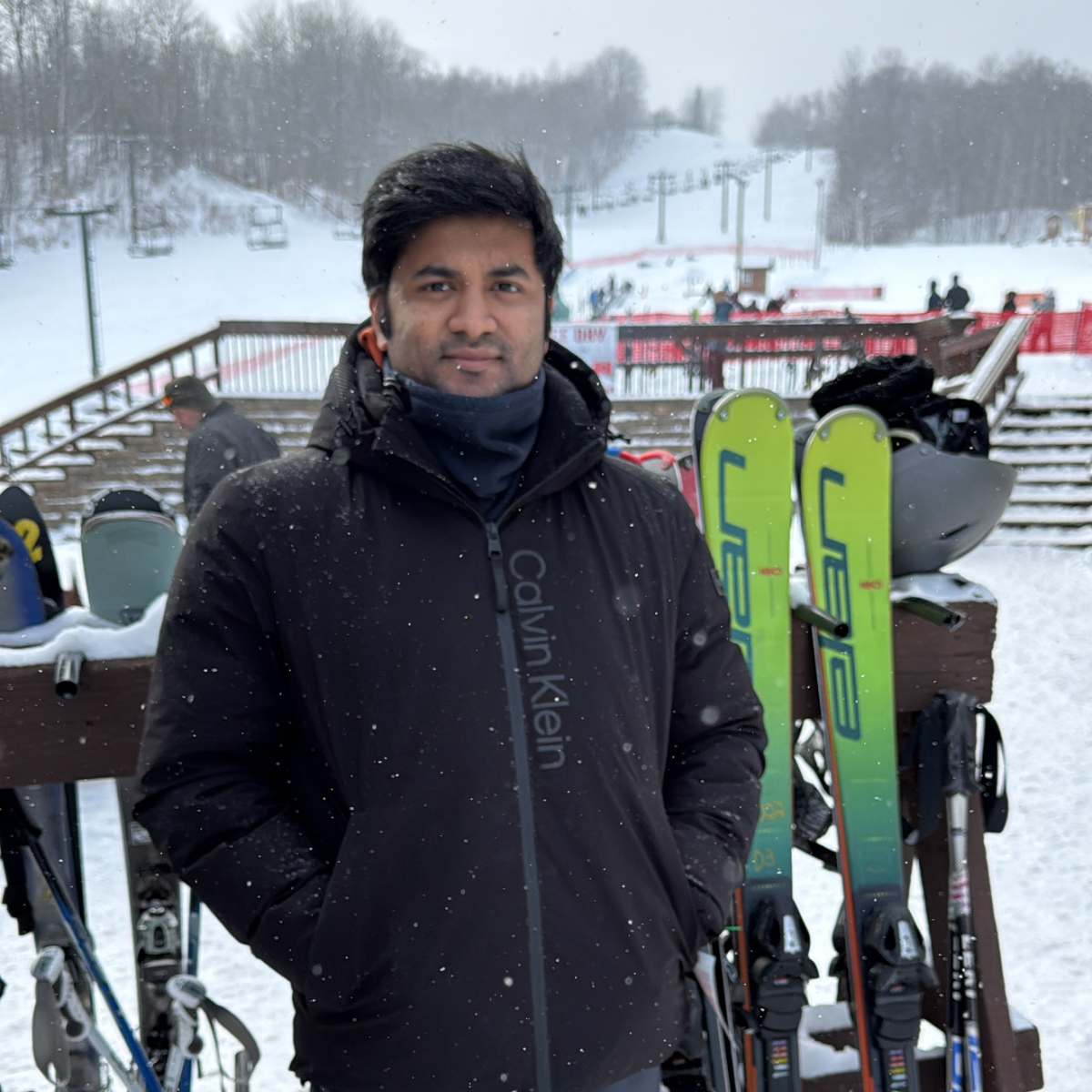
“The Hidden Life of Respiratory Aerosols”
I am Mahender Singh Rawat, a fifth-year Ph.D. candidate in Civil and Environmental Engineering at Clarkson University, working under the mentorship of Dr. Andrea R. Ferro. My research focuses on characterizing the emission, transport, and inhalation of respiratory viral aerosols and indoor emerging pollutants, such as per and polyfluoroalkyl substances (PFAS) and bioaerosols present in indoor dust. Throughout my doctoral research, I have worked on multiple projects aimed at understanding the complex dynamics of airborne pathogens in indoor environments. My approach combines experimental and mathematical methods to assess these pathogens' emission, transport, and removal mechanisms.

“Occupant activities influence indoor ozone reactivity”
I am a Ph.D. candidate in the Department of Chemistry at Colorado State University, conducting research under the guidance of Dr. Megan Willis. I completed my B.S. in Chemistry and Physics at the University of Missouri in 2023, after which I began my doctoral studies at CSU. In my scientific career, I aim to advance our collective understanding of indoor air quality and provide insight on how to reduce risks associated with indoor chemical exposure.

“Oxidative Potential of PM from common Indoor sources”
Ganesh is a Ph.D. candidate in the University of Illinois at Urbana-Champaign. Ganesh's research focuses on understanding the health effects of particulate matter exposure in indoor environments. Ganesh aims to leverage his research on air pollution and its health impacts to reduce the overall health burden associated with poor air quality. In recognition of his research, he has been fortunate to receive several prestigious awards and fellowships. Ganesh is grateful to the public for enabling his academic career and strives to reciprocate this continued commitment to collaboration, teaching, and outreach.
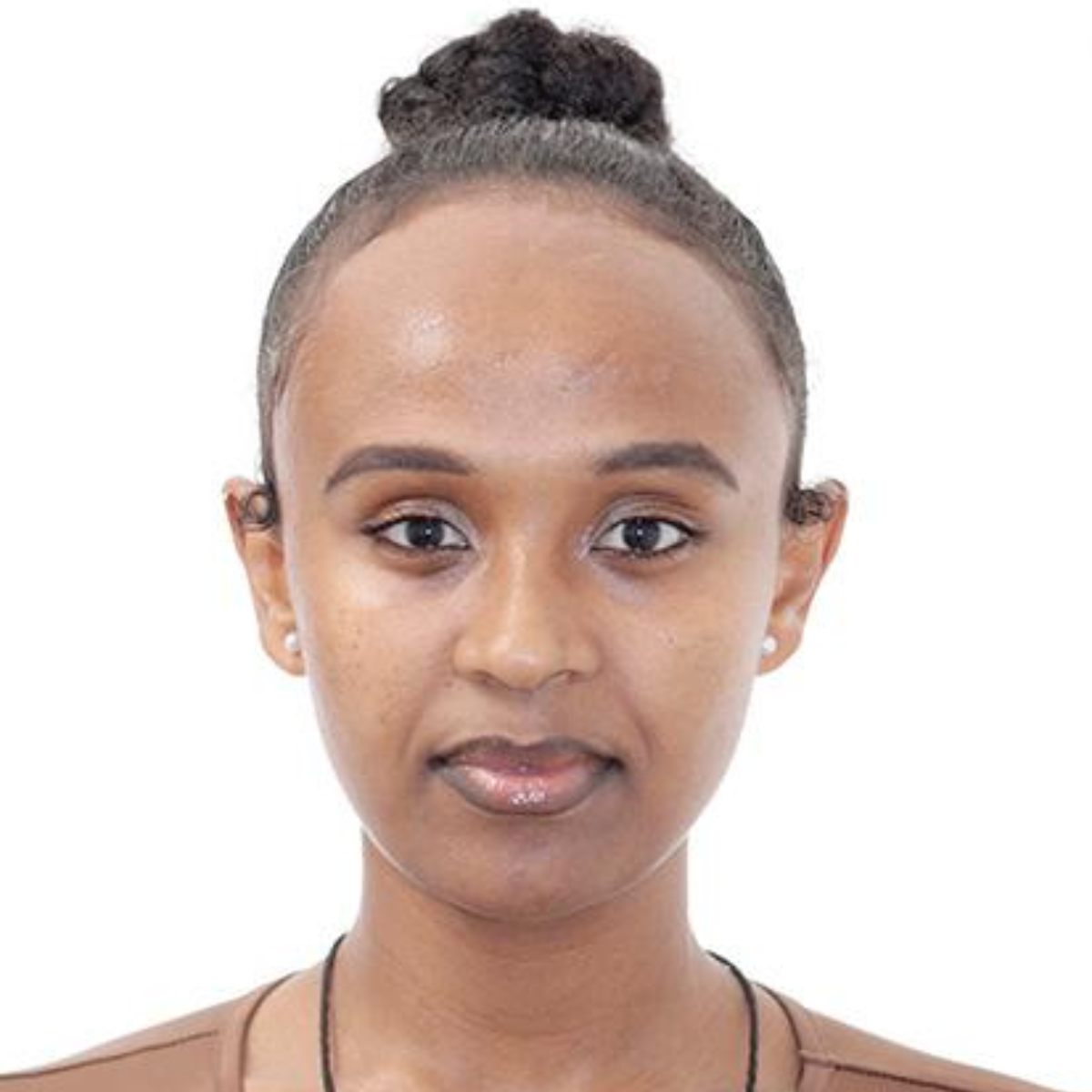
“Assessment of People's Exposure to Radon in Public Venues”
Tigist Simachew Assefa is a Master's student in Civil and Environmental Engineering at the University of Cassino and Southern Lazio, Italy, where her thesis investigates radon exposure in public venues of Cassino City. I have BSc in Civil Engineering (GPA 3.52/4.00, Debre Markos University), Ethiopia. With over five years of lecturing and quality assurance coordination at Debre Tabor University, her research focuses on environmental health, including radon, particulate matter, and sanitation. A published author, Elsevier peer reviewer, and 2023 Global Woman Icon Award recipient, she is committed to women's STEM empowerment and sustainable indoor environments.

“How Cooking Methods and Food Storage Shape Indoor Air”
Wael Dighriri is a third-year PhD student researching indoor air quality, with a focus on pollutants generated by cooking activities. He has been affiliated with Jazan University, Saudi Arabia, since 2013, where he began his academic career as a demonstrator, completed his master's degree, and later became a lecturer. He received a scholarship from Jazan University to pursue his PhD at the University of York. His research investigates volatile organic compounds and particulate matter emitted during different cooking processes.

“How to use data science to link air quality and health?”
After high school, I wanted to work with the tools we use every day, so what could be better than computer science. I enrolled in an engineer school specializing in computer science, and because I wanted to work more with mathematics, I specialized in modeling, applied mathematics, and artificial intelligence. To deepen my knowledge, I completed a parallel Master's degree in Data Science, taught in English, at Université Clermont Auvergne.
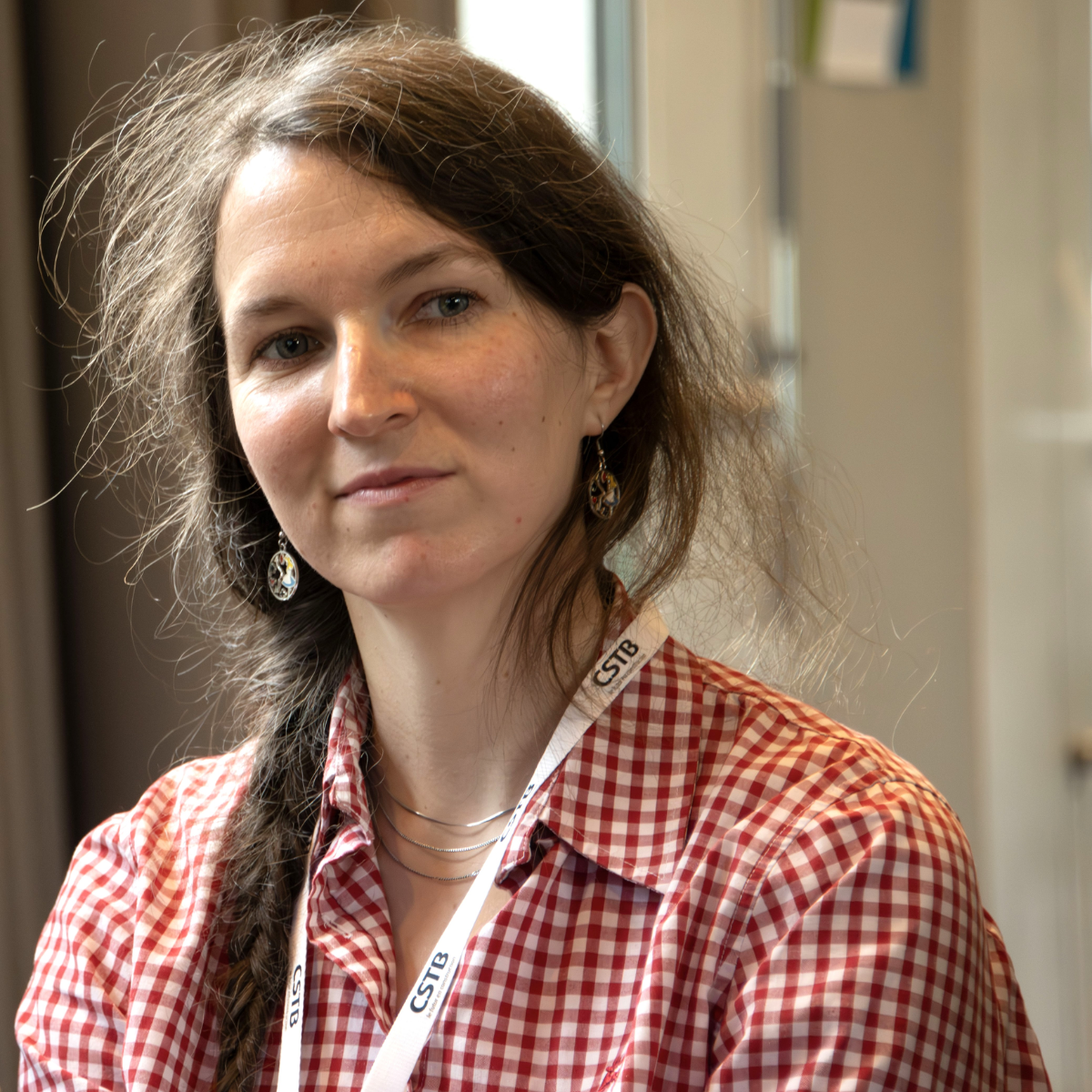
“Microplastics at home: turning evidence into prevention”
A consistent thread throughout my professional path has been my commitment to addressing questions of public interest. My master's degree in analytical chemistry led me to explore several research domains, including forensic analysis, water and food quality. I then took my first steps into air-quality research by studying the composition of bitumen fumes inhaled by workers during road-paving operations. Beyond the laboratory, I am actively involved in science dissemination. I won an award at the regional edition of My Thesis in 180 seconds, spoke at the Science Festival, and co-organize the Pint of Science festival.
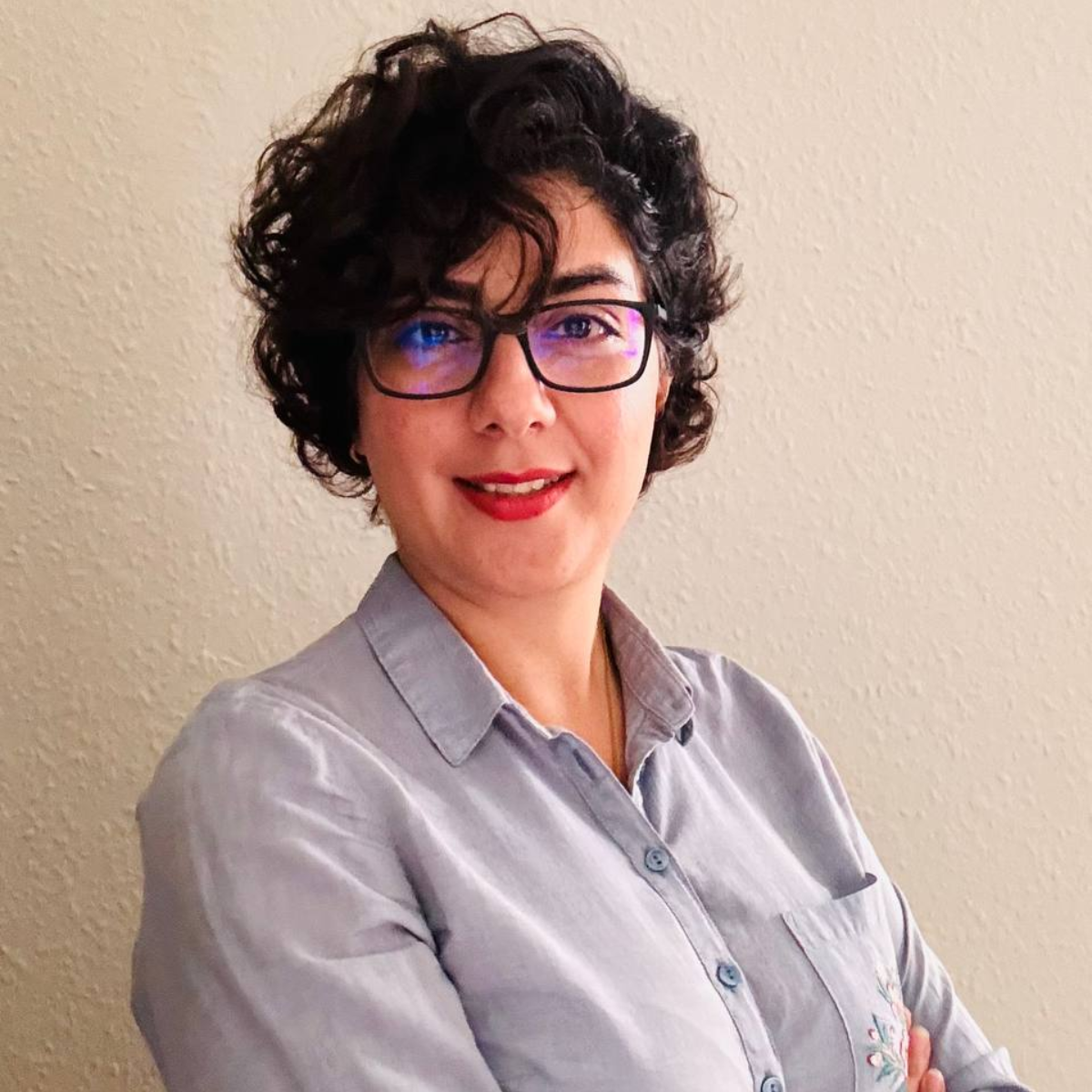
“Modelling Summer Bedroom Window Behaviour”
Marzieh Fallahpour is a PhD researcher in the School of Architecture, Building and Civil Engineering at Loughborough University. Her research focuses on summertime bedroom window-opening behaviour in urban apartments, integrating high-resolution environmental monitoring with occupant survey data to develop behaviour-informed natural ventilation models. Her work contributes to improving the representation of adaptive behaviour in overheating assessment and indoor environmental modelling. She holds a background in building science and environmental design, with interests in socio-technical approaches to indoor climate research and performance-based building evaluation.
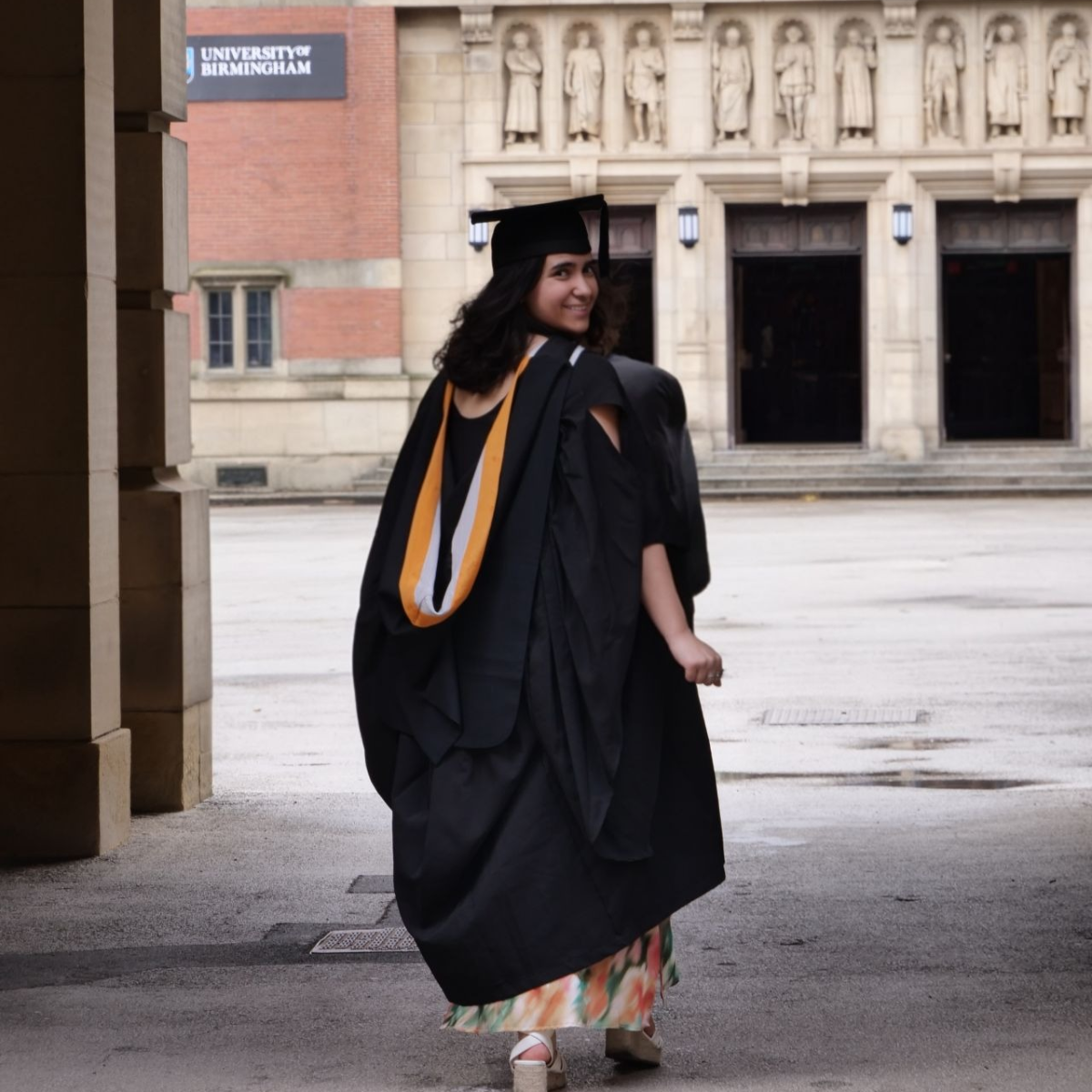
“Tracking air pollution from Bleach cleaning products”
I am 1st Year PhD student based in the Wolfson Atmospheric Chemistry Laboratories (WACL), where my research focuses on the emissions and their impact on indoor air quality from the use of aggressive surface cleaners. I previously completed my MSci in Chemistry with Industrial Experience at the University of Birmingham. During my degree, I undertook an industrial placement at RSSL as a pharmaceutical analyst and completed my final year dissertation on the removal of heavy metals from water using modified MOF frameworks.

“Just Transitions and Ageing-in-Place: Evaluating Older Adult”
Kylie Kay is a first-year PhD student at the University of Leeds researching on older adults' lived experiences in retrofitted homes through the lens of environmental justice. She has previously worked on projects researching urban heat experiences in Singapore, and has a background in communications and community engagement within the environment and development space. Her key research interests are in environment and energy justice, intersectionality, participatory research methods.
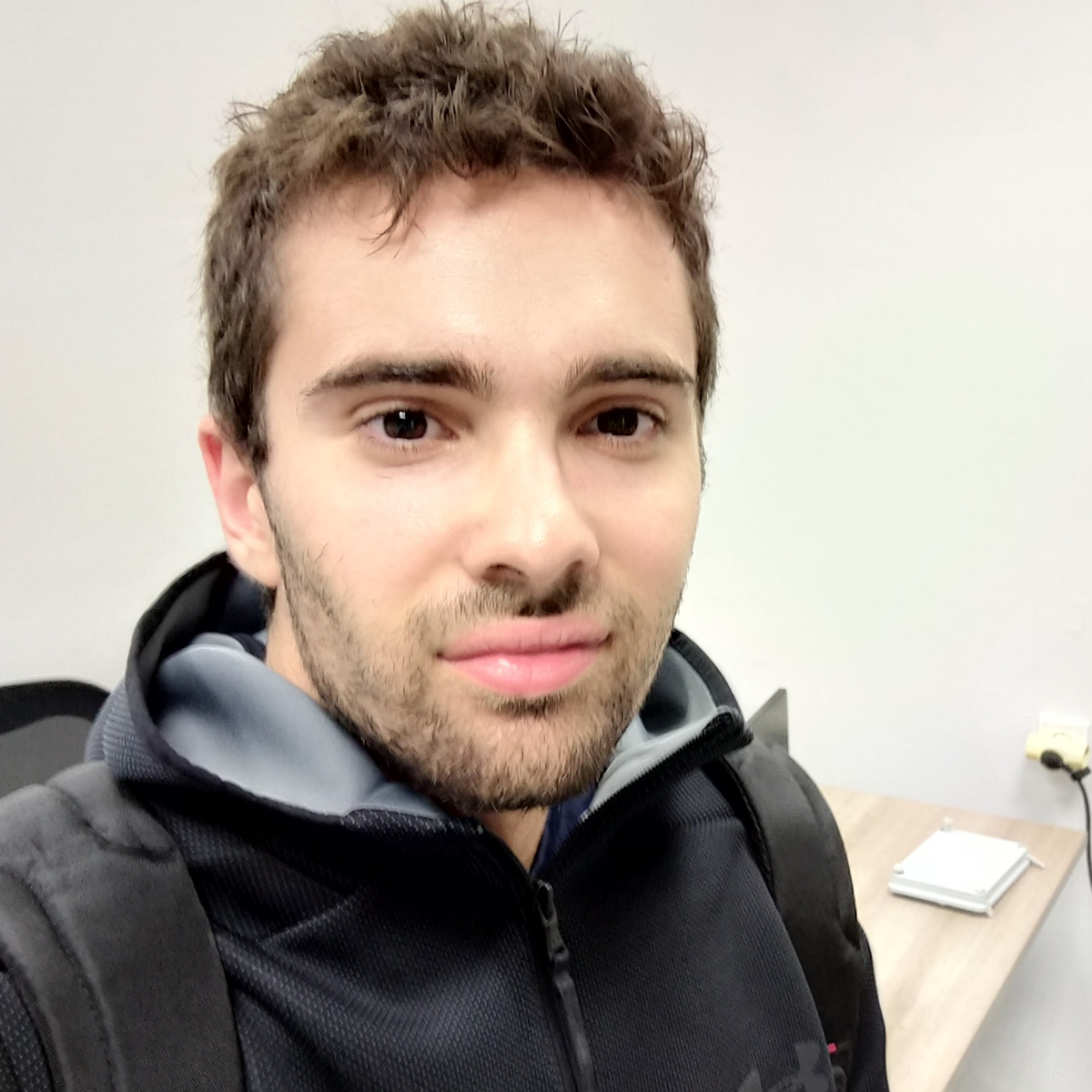
“Connecting IEQ & Energy Performance via Natural Ventilation”
I am PhD candidate in the Department of Mechanical Engineering at the University of Western Macedonia, Greece. My PhD thesis focuses on IEQ, with emphasis on thermal comfort and IAQ. I apply an integrated experimental-numerical approach combining in-situ monitoring, climatic-chamber experiments, and building performance simulations. I investigate interactions among the thermal environment, ventilation performance, and indoor pollutant dynamics, and I assess operational and ventilation strategies to improve health, comfort, and energy efficiency. I have authored/co-authored 8 peer-reviewed journal papers and delivered 20+ conference presentations. I participate in COST Actions CA23139 and CA17136.